


Are Frozen Meals Healthy NZ? The Truth About Frozen Food in New Zealand
If you've ever stood in the frozen food aisle wondering whether you're making a healthy choice — or felt a twinge of guilt pulling a meal from the freezer instead of cooking from scratch — you're not alone. The question are frozen meals healthy NZ is one of the most commonly Googled food questions in New Zealand. And the honest answer might surprise you.
Spoiler: it depends entirely on what's in them.
Are Frozen Meals Healthy NZ — The Science First
Let's start with the biggest myth about frozen food — that freezing destroys nutrients. This is simply not true. Multiple studies have shown that freezing food at peak freshness actually preserves nutrients better than leaving fresh produce sitting in a fridge for days.
Here's why. When fruits, vegetables and proteins are frozen immediately after preparation, the freezing process locks in the vitamins and minerals at their peak. The vegetables in a well-made frozen meal can actually be more nutritious than the "fresh" vegetables that have been sitting in a supermarket for a week.
So the question isn't really whether frozen meals are healthy — it's whether the specific frozen meal you're eating is healthy. And that comes down to three things: ingredients, portion size and what's been added to make it shelf-stable.
What Makes a Frozen Meal Unhealthy?
Not all frozen meals are created equal. The frozen meals you want to avoid are typically the ones found in supermarket freezer aisles — heavily processed, loaded with sodium, artificial preservatives and fillers that extend shelf life at the expense of nutrition.
Here's what to watch out for on the label:
- 🧂 High sodium – more than 600mg per serve is a red flag. Excess sodium is used to compensate for lack of flavour in low-quality ingredients.
- 🧪 Artificial preservatives – numbers like 211, 282 or 220 on the ingredient list indicate chemical preservatives rather than natural freshness.
- 🌽 Fillers and starches – maltodextrin, modified starch and corn syrup solids are cheap fillers that bulk up portion sizes without adding nutritional value.
- 🐔 Mechanically separated meat – low-quality frozen meals often use processed meat products rather than whole cuts.
- 📦 Long ingredient lists – a good rule of thumb is this: if you can't pronounce most of the ingredients, that's not a good sign.
The good news is that none of these things need to be in a frozen meal. They're shortcuts taken by manufacturers who prioritise shelf life and profit margins over your health.
What Makes a Frozen Meal Healthy?
A genuinely healthy frozen meal looks very different from the supermarket variety. Here's what you want to see:
- ✅ Whole food ingredients – real vegetables, whole cuts of meat, legumes and grains you can actually recognise.
- ✅ Short ingredient lists – if the meal is chicken, vegetables and a sauce, the ingredient list should reflect that.
- ✅ Reasonable sodium levels – under 600mg per serve is a good benchmark.
- ✅ Good macronutrient balance – a healthy frozen meal should have adequate protein, not be dominated by carbohydrates, and contain some healthy fats.
- ✅ No artificial preservatives – freezing itself is the preservative. Meals that are frozen fresh don't need chemical additives.
- ✅ Calorie appropriate portions – a healthy frozen meal should fit within your daily calorie goals without leaving you hungry.
Fresh vs Frozen — Which is Actually Better?
This is the comparison most people assume they already know the answer to. Fresh is better than frozen, right? Not necessarily — and the evidence is more nuanced than most people realise.
Fresh produce is at its most nutritious the moment it's picked. But by the time it travels from farm to supermarket to your fridge to your plate, it can lose a significant percentage of its vitamins — particularly water-soluble vitamins like C and B vitamins. Studies have shown that some fresh vegetables can lose up to 45% of their nutritional value within a week of harvest.
Frozen vegetables, on the other hand, are typically frozen within hours of harvest. The cold stops the enzymatic processes that degrade nutrients — effectively locking in freshness at the peak of nutritional value.
So in many cases, frozen is actually fresher than fresh. The key is whether the meal has been prepared well — with quality ingredients and minimal processing — before being frozen.
Are Supermarket Frozen Meals Healthy NZ?
Here's where we need to be honest. The majority of frozen meals available in New Zealand supermarkets are not particularly healthy choices. They tend to be high in sodium, low in protein relative to their carbohydrate content, and made with lower-quality ingredients to keep costs down.
This doesn't mean all supermarket frozen meals are bad — but it does mean you need to read labels carefully. The criteria above are a good starting point.
The bigger issue is that supermarket frozen meals are designed for maximum shelf life and minimum cost — not maximum nutrition. When those are the priorities, the food in your freezer reflects it.
What About Chef-Prepared Frozen Meals?
This is where the conversation gets more interesting — and more relevant to what most health-conscious New Zealanders are actually looking for.
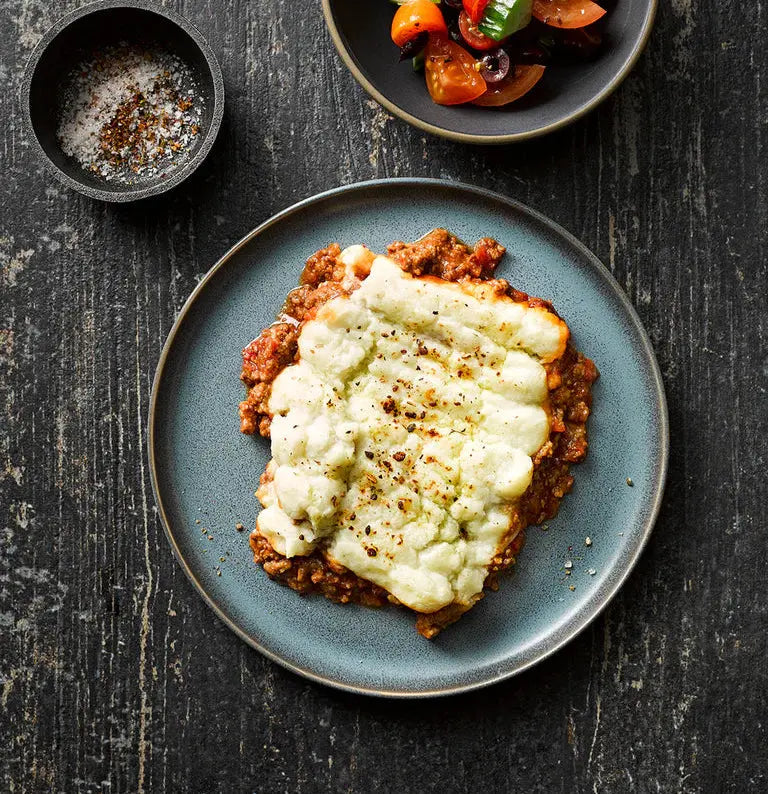
Chef-prepared frozen meals are a completely different category to supermarket frozen food. Instead of being manufactured in a factory with industrial processes, they're made in a commercial kitchen by real chefs using real ingredients — then frozen at peak freshness and delivered to your door.
The difference shows up immediately when you look at the ingredients. Whole cuts of meat. Fresh vegetables. Real sauces made from actual ingredients rather than flavour packets. No artificial preservatives because the freezing process itself handles preservation.
Are chef-prepared frozen meals healthy NZ? When made well, absolutely. They can be one of the most convenient and genuinely nutritious ways to eat well in a busy lifestyle — particularly when they're calorie-counted and portion-controlled so you don't have to think about any of that yourself.
The Biggest Health Benefit Nobody Talks About
Here's the nutritional argument for frozen meals that rarely gets made — and it might be the most important one.
The unhealthiest meal most New Zealanders eat isn't the frozen meal they pull from the freezer. It's the takeaway they order at 7pm because they're tired, there's nothing in the fridge and they can't face cooking.
The average New Zealand takeaway contains between 800 and 1500 calories. It's typically high in saturated fat, heavily processed and contains very little in the way of vegetables or fibre. And it costs $15 to $30 per person.
A healthy frozen meal that's ready in 5 minutes removes the decision entirely. When the choice is between a well-made frozen meal and a takeaway — the frozen meal wins on nutrition, cost and convenience every time.
This is why so many New Zealanders are making the switch. Not because frozen meals are a compromise — but because they're actually the better option compared to the real alternative.
How to Choose a Healthy Frozen Meal NZ
Whether you're shopping in a supermarket