

Keto for Beginners NZ: 10 Simple Tips to Get Started the Right Way
What Is the Keto Diet, Really?
At its core, the ketogenic diet is a way of eating that's very low in carbohydrates and high in healthy fats, with a moderate amount of protein. The goal is to shift your body's main fuel source from glucose (from carbs) to ketones (produced from fat) — a metabolic state called ketosis.
A typical keto breakdown looks roughly like this:
- Fat: 70–75% of daily calories
- Protein: 20–25% of daily calories
- Carbohydrates: 5–10% of daily calories (often under 20–30g net carbs per day)
You don't need to hit these numbers perfectly on day one — understanding the general direction is enough to get started.
1. Understand Net Carbs Before You Start Counting Anything
Most keto tracking is based on net carbs, not total carbs. The formula is simple:
Net carbs = Total carbohydrates − Fibre
Fibre doesn't get digested the same way other carbs do, so it doesn't spike blood sugar or kick you out of ketosis. This is why a food like avocado, which has fibre, is keto-friendly despite technically containing carbs.
2. Focus on What You Can Eat, Not What You're Giving Up
Beginners often fixate on the foods they're cutting out — bread, pasta, sugar, rice — which makes the diet feel restrictive from day one. It's far more sustainable to focus on what's actually on the menu:
- Meat, poultry, and fish
- Eggs
- Full-fat dairy (cheese, butter, cream)
- Leafy greens and low-carb vegetables (spinach, broccoli, zucchini, cauliflower)
- Healthy fats (olive oil, avocado, nuts, seeds)
- Berries in moderation
There's more variety available than most people expect once they stop thinking about it as "the diet without X."
3. Prepare for the "Keto Flu" — It's Temporary
In the first few days, many people experience the keto flu: headaches, fatigue, irritability, and brain fog. This happens because your body is adjusting to a new fuel source and losing water weight quickly, which flushes out electrolytes along with it.
It usually passes within 3–7 days. You can reduce the severity significantly by staying ahead of it rather than treating it after the fact — which brings us to the next tip.
4. Don't Skip Electrolytes
This is one of the most common beginner mistakes. As your body sheds water weight, you lose sodium, potassium, and magnesium faster than usual. Low electrolytes are the main cause of keto flu symptoms, muscle cramps, and that "wiped out" feeling in the first week or two.
Simple ways to stay on top of it:
- Add extra salt to your meals (don't be afraid of sodium on keto — your needs actually increase)
- Eat potassium-rich low-carb foods like avocado and leafy greens
- Consider a magnesium supplement if cramping is an issue
- Drink bone broth, which is naturally rich in electrolytes
5. Don't Fear Fat — But Don't Ignore Protein Either
New to keto, people often either go too light on fat (leaving meals unsatisfying and calorie-poor) or go too light on protein (which can affect muscle maintenance and satiety). Aim for meals that are genuinely built around a fat source, not just "low carb versions" of your old meals with the carbs removed and nothing added back in.
6. Plan Meals Ahead — Especially in Week One
The biggest reason people give up on keto early isn't willpower — it's not having a keto-friendly meal ready when hunger hits. If the only quick option in the fridge is high-carb, you'll reach for it.
Spend an hour before you start mapping out your first week of meals, or batch-cook a few keto-friendly meals in advance. Removing decision fatigue in the early days makes a huge difference to whether the diet sticks.
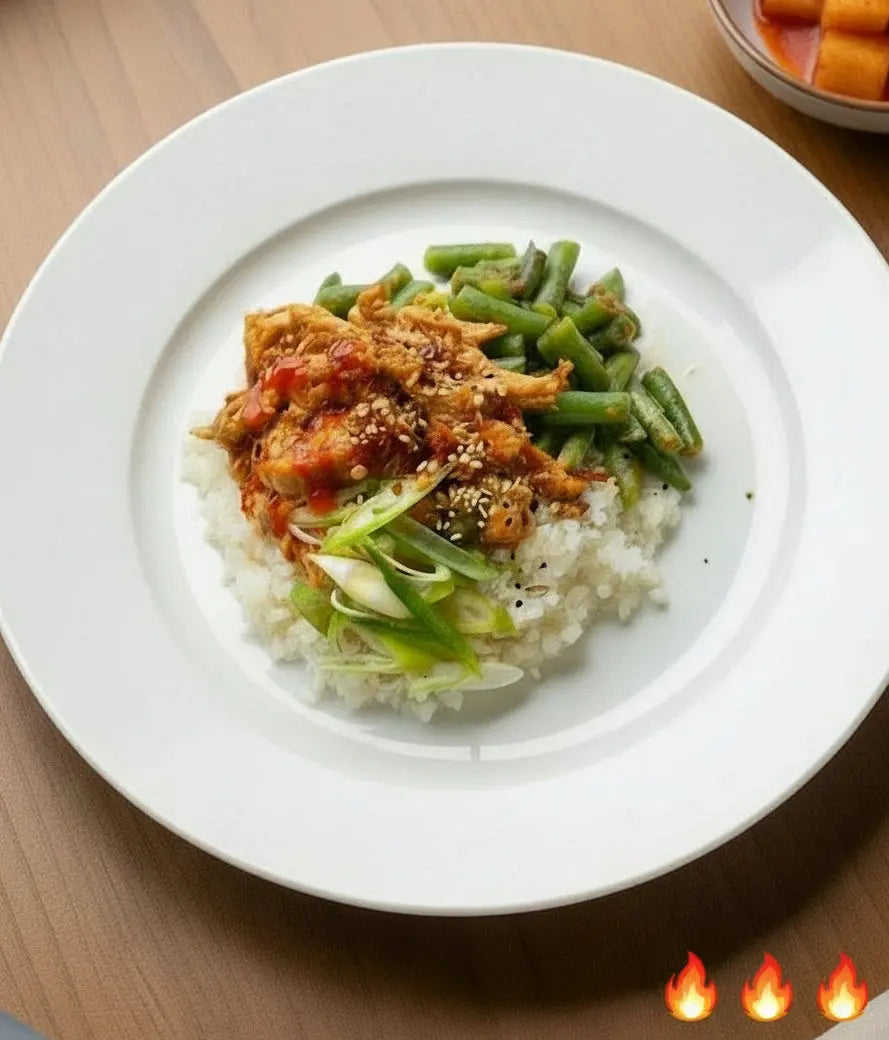
If meal planning feels overwhelming, Meal Box's keto frozen meal range removes the effort entirely — chef-prepared, calorie-counted and delivered to your door anywhere in NZ.
7. Read Labels Carefully — Carbs Hide Everywhere
Sauces, dressings, marinades, and "healthy" snack bars are common hidden carb traps. Ketchup, teriyaki sauce, and even some yoghurts can contain surprising amounts of added sugar. Get into the habit of checking labels for total carbs and sugar content, especially on packaged and processed foods, until it becomes second nature.
8. Expect an Adjustment Period With Exercise
If you exercise regularly, don't be surprised if your performance dips slightly in the first 2–3 weeks. Your body is still learning to use fat and ketones for fuel instead of glucose. This typically improves as you become "fat-adapted" — many people report their energy and endurance eventually surpass their pre-keto baseline, but the transition period is real and worth planning around rather than being discouraged by.
9. Track Progress Beyond the Scale
Weight loss is often front of mind, but especially in week one, a lot of the drop is water weight — not fat loss. Pay attention to other signs of progress too: how your clothes fit, energy levels, mental clarity, and hunger control. These often shift before the number on the scale does.
10. Give It a Real Trial Before Judging Results
Ketosis typically takes 2–4 days to kick in, and full metabolic adaptation can take a few weeks. Many beginners quit in the first week — right when the hardest part (keto flu, adjustment) is happening — before they get to experience the benefits that come once the body has adapted. Commit to at least 3–4 weeks before deciding whether keto is working for you.
Looking for easy keto meals to get you started? Browse the full Meal Box keto menu here →
The Bottom Line
Keto for beginners NZ doesn't need to be intimidating. Understand net carbs, plan your meals, stay ahead of electrolytes, and give your body time to adjust before judging the results. Most of the difficulty people experience in the first couple of weeks comes down to a handful of predictable, avoidable mistakes — not the diet itself being unsustainable.
Start simple, be consistent, and adjust as you learn what works for your body.
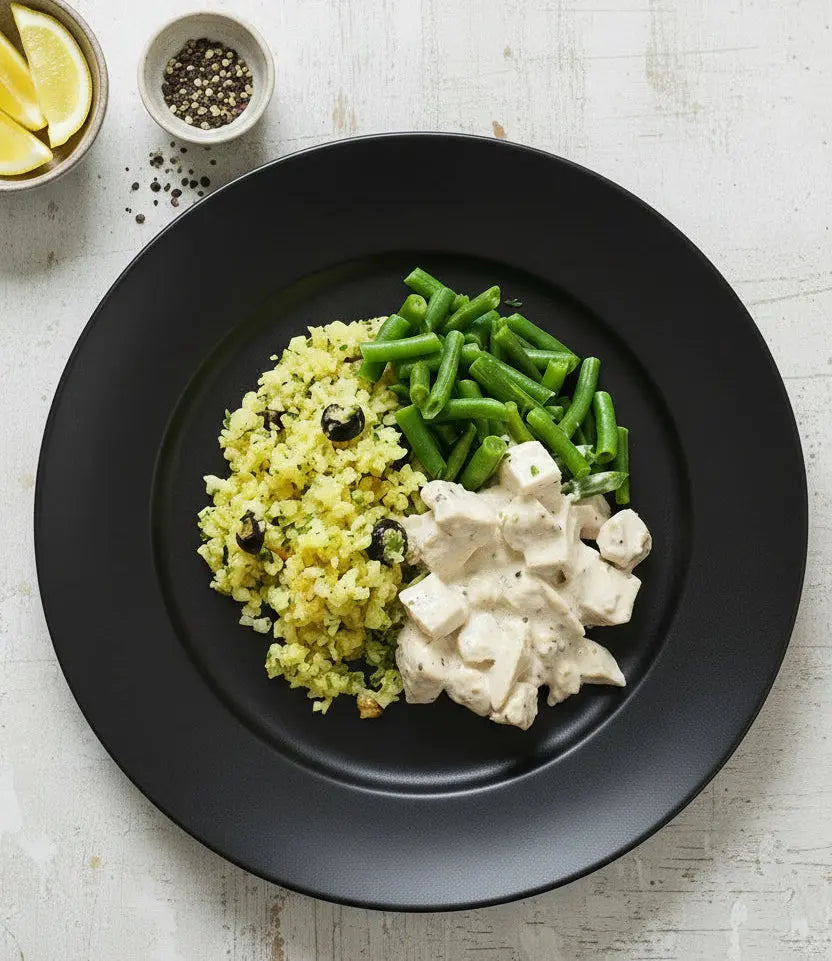
Ready to try keto without the cooking? The Keto 10 Pack Chefs Choice gives you 10 chef-picked keto meals for $119 — delivered frozen to your door anywhere in NZ.